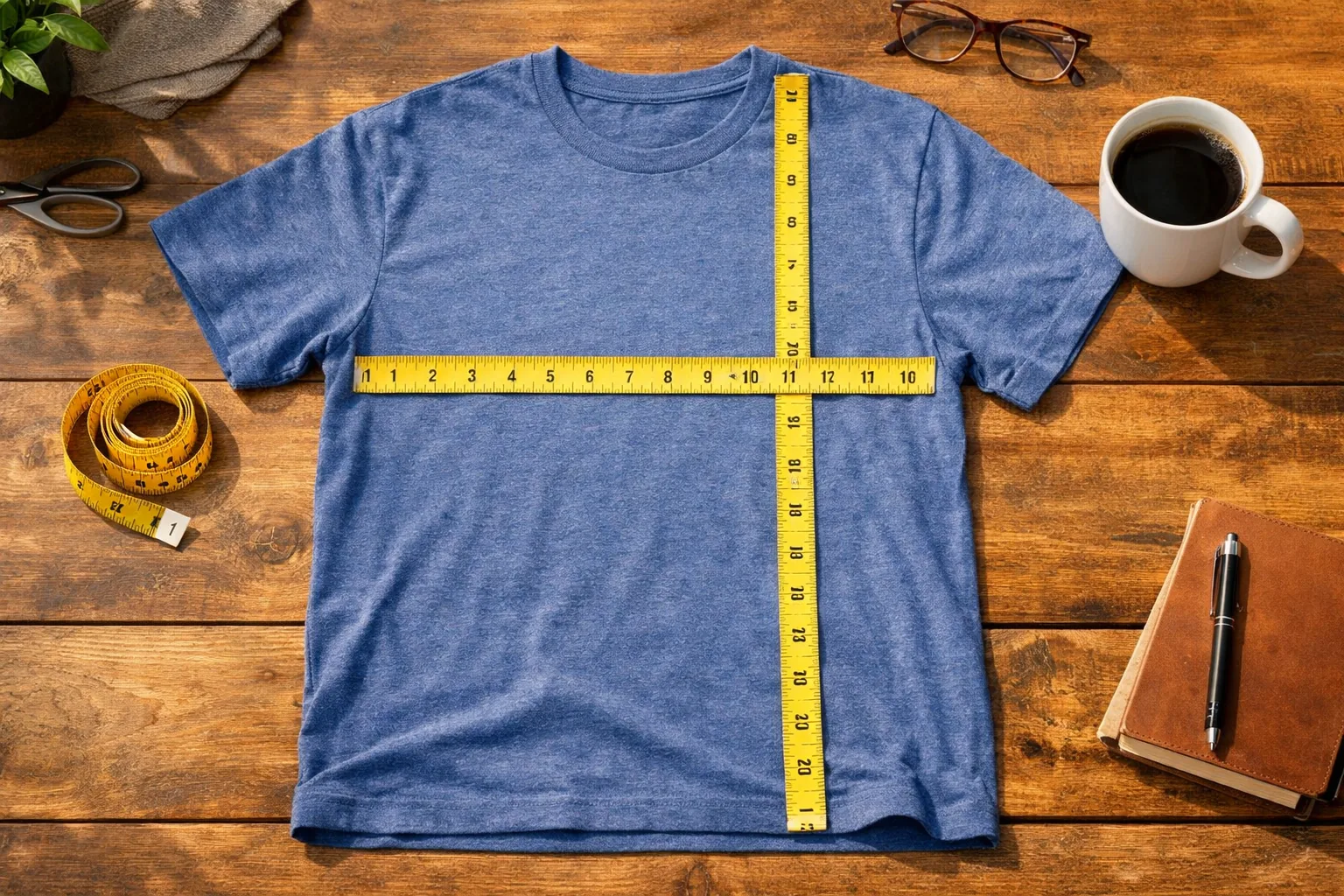
A cheap print usually gives itself away online if you know where to look. If you are wondering how to tell if a printed t shirt is good quality online, the fastest clues are the product photos, the print description, and whether the seller says anything specific at all. If the listing feels vague, oddly cropped, or suspiciously shiny, that is usually your cue to back away slowly, like from a goose in a Canadian Tire parking lot.
Short answer: A good print listing shows clear close-up photos, explains the print method, and gives you enough detail to judge durability before you buy.
- Check for close-ups that show texture, edges, and ink coverage.
- Look for specific wording about print method, fabric, and care.
- Treat vague listings like gas station sushi. Possible, but risky.
Start with the product photos, not the sales pitch
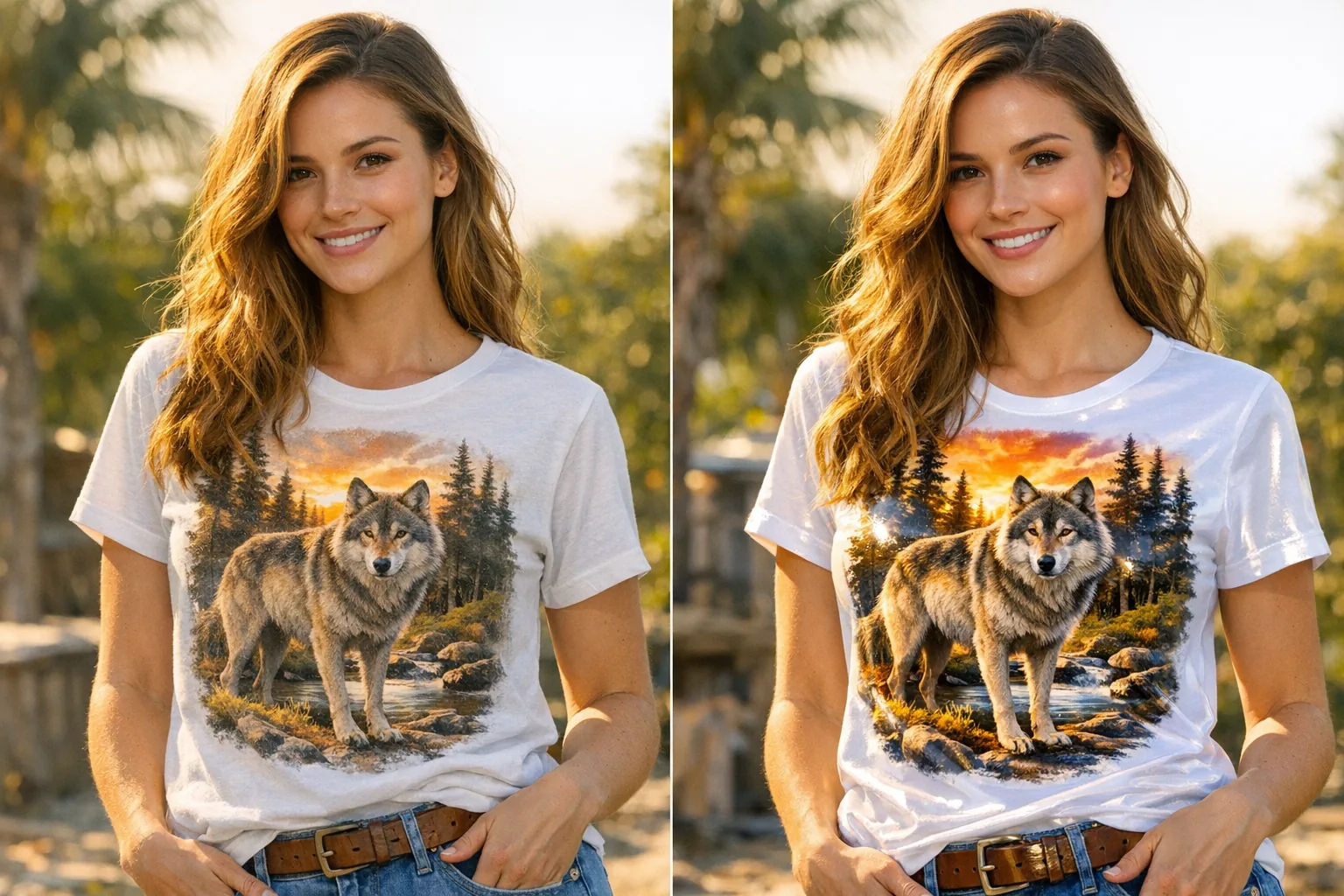
The first thing I check is whether the seller shows the print up close, not just from twelve feet away on a model standing in a wheat field pretending to laugh. Good listings usually include front-on shots, detail images, and at least one view where you can tell how the ink sits on the shirt. If every image is heavily filtered, cropped, or suspiciously smooth, that can mean the mockup is doing all the heavy lifting.
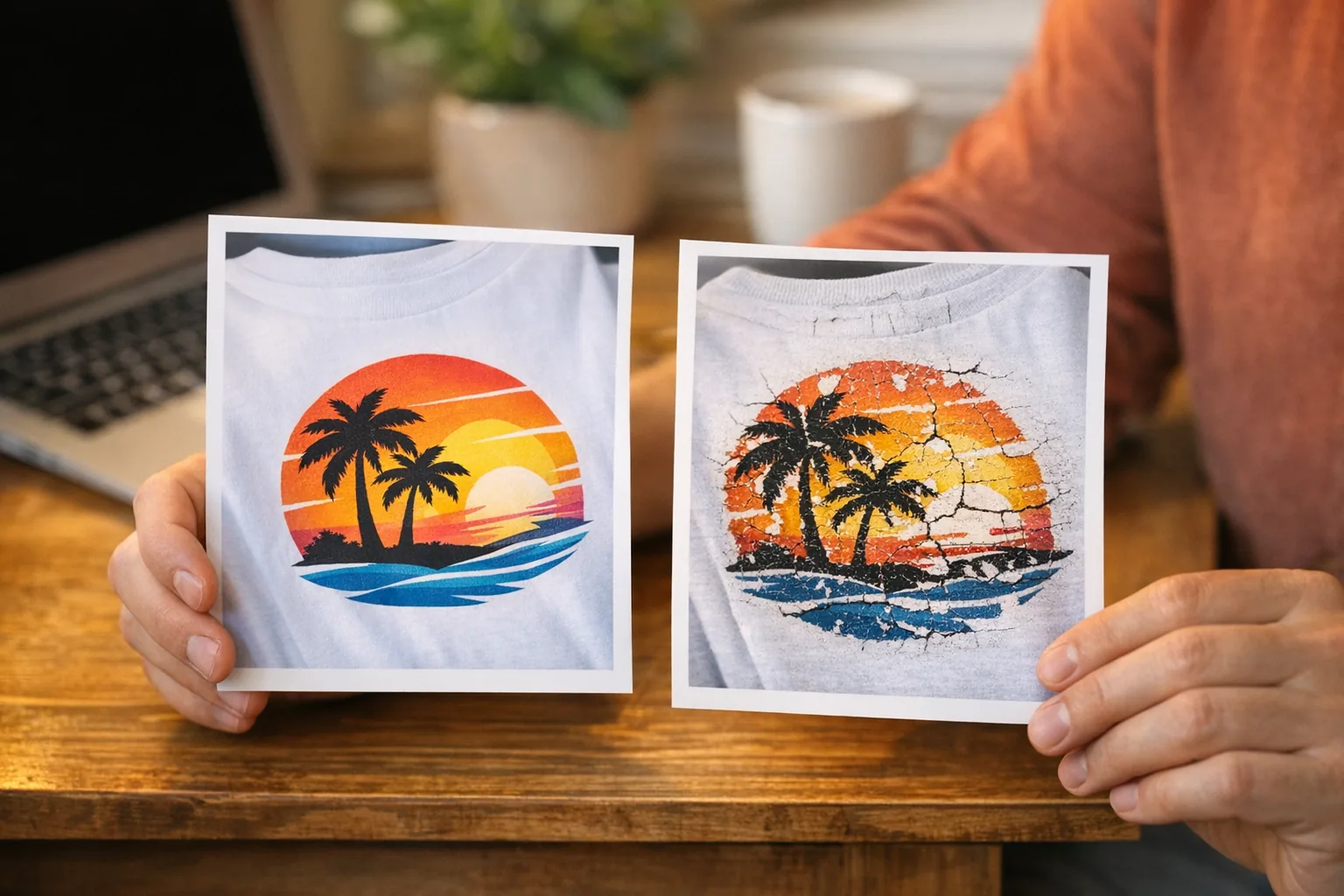
You want to see clean edges, solid colour coverage, and a print that looks like it belongs on the shirt instead of floating above it like a PowerPoint sticker. Blurry artwork, fuzzy edges, and harsh glare are warning signs. They often mean low-resolution artwork or a heavy, plastic-feeling print that will crack faster than my optimism during tax season.
If you want a useful comparison point, browse a few reputable shops and study how they present details. Our own shop leans pretty heavily on clear visuals because nobody enjoys ordering a shirt online and then opening the parcel with the emotional posture of a man checking his furnace bill in January.

Read the print description like a mildly suspicious adult
A decent seller should tell you how the design is printed, or at least give enough information that you are not guessing in the dark. Terms like DTG, screen print, or transfer are useful because each method behaves differently. What is not useful is a listing that says something like “premium quality graphic tee” and then scampers off without evidence. That is not information. That is vibes.
If the description mentions soft-hand feel, water-based inks, or production details, that is usually a better sign than generic buzzwords. Same goes for fabric content and care instructions. Specificity suggests the seller has actually handled the shirt, which is always encouraging. If they also link to care advice, even better. We have a practical guide on how to wash a printed t-shirt because the print quality matters, but keeping it looking decent after laundry day matters too.
Key point: The more specific a seller is about the print process and care, the less likely they are hiding behind a flattering mockup and a prayer.
A vague product page is often the biggest red flag. Not because every vague shop is bad, but because good shops rarely need to be mysterious about what they are selling.
Watch for signs the mockup is nicer than the real shirt
Mockups are normal. We use them, other shops use them, the internet would collapse into a heap without them. The problem starts when the mockup is the only thing doing any work. If the design looks oddly perfect, too bright, or pasted on with no folds, shadows, or fabric interaction, you may be looking at a fantasy version of the shirt. Nice fantasy. Not especially helpful.
A better listing mixes mockups with realistic detail shots, or at least uses mockups that do not scream “made in five seconds while reheating leftover poutine.” The design should look proportionate to the garment size, the print should not extend into impossible areas, and the shirt colour should make sense with the ink colours. If a pale yellow print is floating on a white tee like a ghost nobody asked for, that is a clue.
This is also where brand trust matters. If you are comparing shops, our post on best funny t-shirt brands in Canada can help you spot stores that show their work instead of hiding it under perfect lighting and suspicious confidence.
Check the boring details, because that is where regrets usually live
Nobody gets excited about return policies, seller background, or production notes, but those details often tell you more than the shirt slogan. If a store has an about page that sounds like an actual human wrote it, that helps. If the return terms are clear and not buried under legal fog, that helps too. Here is ours: returns policy. Not thrilling reading, I admit, but very useful when a shirt arrives looking less “great gift” and more “yard sale mystery bin.”
A quick checklist that saves money
- Is the print method mentioned clearly?
- Are there close-up photos of the design?
- Is there care guidance that sounds specific?
- Can you find a real business voice behind the shop?
If most of those answers are “not really,” move on. Canada is a large country. There are plenty of shirts. You do not need to commit to the first one that calls you “boss” and offers no details whatsoever.
Use the design itself as a clue
A good print starts with artwork that suits the printing method. If the design has tiny details, thin distressed lines, or subtle gradients, the seller should show that clearly and explain how it is handled. If they do not, there is a chance those finer details turn into mush on fabric. The internet is full of beautiful digital art that becomes very humble once it meets a cotton shirt and reality.
Simple, bold designs often print better and last better, especially when they are built with apparel in mind. That is one reason I like clean, readable graphics with a bit of attitude. If you want examples, have a look at Ill Deal With It Tomorrow Maybe or Sarcastic Comment Loading Please Wait. They are the sort of designs that work because they do not need circus tricks to look good on a shirt.
If the artwork only looks good at thumbnail size, be careful. Good apparel graphics should still hold up when the page zooms in and your skepticism kicks in.
The safest way to buy online is to look for evidence, not promises
If you came here searching how to tell if a printed t shirt is good quality online, the short version is this: trust the listing only when it gives you something concrete to trust. Look for real photos, specific print information, sensible care guidance, and a shop that behaves like it plans to exist next month. That already puts you ahead of most late-night impulse purchases and several of my own hockey-related decisions.
A shirt does not need to be fancy. It just needs to be honest. The best online listings make it easy to judge what you are getting before you click buy. The worst ones rely on urgency, vague claims, and the universal hope that you will not ask follow-up questions. Ask them anyway. Quietly, if you are Canadian.
Check the print details, compare a few shops, and buy with fewer regrets. That is the goal. Not perfection. Just fewer moments where you hold up a new shirt and say, “Ah. So this is what I have done.”
Keep reading
If you are still comparing quality and trying to keep your shirts looking decent past wash number three, these two will help.
Spot Better Prints Before You Buy
If you are checking the print details anyway, you may as well reward yourself with a shirt that is actually worth opening. FunnyTees is printed in Alberta and ships across Canada, which feels much nicer than gambling on a mystery tee from the internet void.
Shop Funny Canadian T-Shirts →